
How a Department Store in the USA Can Generate Walk-Ins to Boost Sales Through Digital Marketing
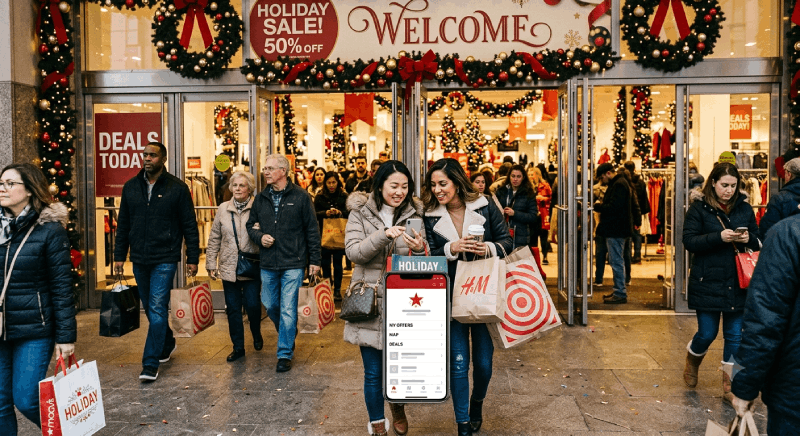
American shopping malls and department stores have faced real headwinds over the past decade, but the stores that continue to draw strong foot traffic are almost always the ones that treat digital marketing as the first step in the shopping trip, not an afterthought to it. This is the core idea behind effective digital marketing for US department store — meeting shoppers online before they ever set foot in the building. Today's shopper checks store hours, browses inventory, reads reviews, and often gets a text alert about a sale — all before ever pulling into the parking lot, which is exactly why digital marketing for department store in US now shapes the shopping trip long before it begins.
This guide covers how a US department store can use digital marketing specifically to drive more walk-ins and, in turn, boost in-store sales.
Why Digital Marketing Still Drives In-Store Traffic
It might seem counterintuitive that online marketing drives offline visits, but American shopping behavior increasingly works this way:
Shoppers frequently check store hours, inventory, and directions before heading out, especially for a planned purchase
"Near me" searches ("department store near me," "[store name] hours today") are common precursors to a same-day visit
Buy-online-pickup-in-store (BOPIS) has become a major driver of foot traffic, since pickup visits frequently lead to additional in-store browsing
Text message marketing sees unusually high engagement rates in the US and is widely used to drive same-day, time-sensitive store visits.
Social media discovery — a product seen on Instagram or TikTok — often leads to an in-store visit to see or try it in person
Treating digital and physical shopping as separate channels misses how closely they're now connected in US retail.
1. Optimize Google Business Profile and Yelp for Every Location
For a department store with one or multiple locations, an accurate, complete presence on both Google and Yelp is essential in the US market:
Accurate hours, including seasonal adjustments (Thanksgiving, Black Friday, extended holiday hours)
Clear listing of departments and key brands carried, so search results reflect what shoppers are actually looking for
Up-to-date photos of the storefront, interior, and seasonal displays
Accurate mall location details (entrance, floor, nearby anchor stores) for stores located within larger shopping centers
A well-maintained profile per location captures "near me" searches and mall-navigation searches at the exact moment someone is deciding where to shop.
2. Use BOPIS (Buy Online, Pick Up In Store) as a Foot Traffic Driver
BOPIS is one of the most effective digital tools for generating actual store visits in the US market, since pickup trips frequently lead to additional browsing and impulse purchases. To maximize this:
Make BOPIS prominent and easy to use on the website and app, with clear pickup instructions
Send pickup-ready notifications via text or email that highlight in-store promotions or new arrivals as an incentive to browse further
Train staff to point pickup customers toward relevant in-store offers or nearby departments
Track "basket lift" — additional purchases made during a BOPIS visit — to demonstrate the channel's full value to the business
BOPIS should be marketed as a reason to visit the store, not simply a shipping alternative.
3. Use Text Message (SMS) Marketing for Time-Sensitive Offers
SMS marketing performs unusually well with US consumers, who are highly accustomed to opting in for retail texts and tend to open them quickly. Effective use includes:
Time-sensitive, in-store-only offers ("this weekend only," "flash sale ends tonight")
Location-based alerts when a customer is near a store, where geofencing technology is available
Restock and new arrival alerts for categories customers have shown interest in
Clear, easy opt-in during checkout, loyalty sign-up, or app download, with equally easy opt-out to maintain trust
Because open rates for text messages are so high, this channel is particularly effective for driving same-day, urgent visits.
4. Use Geo-Targeted and Geofenced Local Ads
Paid advertising can be highly effective at driving nearby shoppers into a physical store when targeted correctly:
Use geo-targeted Google and Meta ads focused tightly around each store's realistic drive-time catchment area
Use geofencing to target shoppers who are near the mall or store itself, or who have recently visited a competitor location
Promote time-sensitive, in-store-only offers to create urgency
Use "store visit" and "get directions" optimized ad formats where available, designed specifically to drive foot traffic rather than online sales
Local, in-store-specific offers tend to perform better for driving walk-ins than generic brand advertising.
5. Build Local, Store-Specific Social Media Content
National brand content matters, but local, store-specific content often drives more direct foot traffic:
Showcase in-store events, seasonal displays, and new department launches specific to each location
Feature local staff recommendations and styling advice tied to what's currently in-store
Share behind-the-scenes content from visual merchandising and seasonal setup, particularly around major shopping events like Black Friday
Use Instagram and TikTok to showcase products in a way that encourages an in-person visit to see or try them
Localized content helps a specific store feel relevant and current, rather than positioning it as just one interchangeable branch of a national chain.
6. Lean into Major US Shopping Events
The US retail calendar includes several high-traffic shopping events that reward strong digital promotion:
Black Friday and Cyber Monday — early digital teasers, doorbuster promotion, and clear in-store vs. online exclusive offers
Back-to-school season — timely promotion of relevant departments, often July through September depending on region
Holiday season (Thanksgiving through Christmas) — extended hours promotion, gift guides, and in-store event marketing
Regional and seasonal sales (Memorial Day, Fourth of July, Labor Day) — smaller but reliable traffic-driving opportunities
Promoting these events digitally well in advance, with a mix of email, SMS, social, and geo-targeted ads, helps convert general seasonal shopping interest into visits to a specific store.
Comparing Digital Tactics for Driving Store Foot Traffic
Common Mistakes US Department Stores Should Avoid
Treating the website purely as an e-commerce channel. A website optimized only for online sales, without clear store information and BOPIS visibility, misses a major foot traffic opportunity.
Underusing SMS marketing. Given how highly US consumers engage with retail text messages, not leveraging this channel is a missed opportunity for driving urgent, same-day visits.
Running the same national campaign everywhere. Generic brand messaging tends to drive less foot traffic than localized offers and content specific to each store or mall location.
Underusing BOPIS data. Not tracking additional in-store purchases made during pickup visits underestimates the channel's real value to the business.
Starting holiday promotion too late. Black Friday and holiday season campaigns need to build digital momentum weeks in advance, not just the week of the event.
Why an Integrated Approach Matters
The most effective US department stores treat digital marketing and physical foot traffic as part of the same customer journey rather than separate goals. Local search, BOPIS, SMS marketing, geofenced ads, local content, and major shopping event campaigns work best together — each reinforcing the others to bring shoppers through the door, not just to the website.
Take the Next Step Toward Stronger Foot Traffic
Generating meaningful walk-in traffic in today's US retail environment means treating digital marketing as the first step of the in-store journey, not a separate channel. This holds especially true for digital marketing in Florida, where department stores compete for both local shoppers and a steady stream of seasonal visitors and tourists. A department store that gets its local search presence, BOPIS experience, SMS marketing, and seasonal campaign timing right consistently outperforms one relying solely on its physical location and reputation to drive traffic — a distinction that matters even more given how digital marketing in Florida must account for both year-round residents and shifting seasonal demand.
Want to turn digital visibility into more in-store foot traffic? If your store is looking to build a digital marketing strategy focused on driving real walk-ins and sales, visit amsdigital.us to learn how a tailored approach can support your goals.